Why Bill Payment Gets Messy - and How to Fix the Routine
Bill payment often becomes stressful not because there are too many bills, but because due dates, payment methods, and monthly cash flow are not organised in one place. Users who also manage financial services through a loan app should keep EMI commitments separate from routine household bills so that everyday expenses remain easier to track.
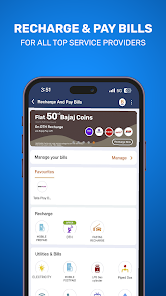
A simple payment system can reduce late fees, missed due dates, duplicate transactions, and unnecessary last-minute decisions. The goal is to turn bill payment into a predictable monthly routine rather than something handled only when a reminder appears.
The Real Problem Is Usually Poor Timing
Most recurring bills do not arrive on the same date.
Electricity may be due early in the month, while broadband, mobile, credit cards, insurance, and subscriptions may follow later. When these expenses are handled separately, it becomes difficult to see how much money is already committed.
Creating one monthly view can solve much of this confusion.
Put Every Bill on One Calendar
Start by listing all recurring payments with their expected due dates.
This can include:
- Electricity
- Water
- Mobile
- Broadband
- Credit cards
- Insurance
- Loan EMIs
- Subscriptions
- Maintenance charges
A single calendar makes upcoming obligations easier to see before discretionary spending begins.
Reserve the Money First
Instead of paying bills only when they become due, estimate the total monthly amount and keep that money aside.
This creates a clear distinction between committed expenses and money available for other spending. It can also reduce the risk of using bill money for non-essential purchases earlier in the month.
A dedicated bill budget makes cash flow easier to manage.
Split Bills Into Fixed and Variable Groups
Some payments remain almost unchanged, while others fluctuate.
Fixed bills may include rent, subscriptions, or certain EMIs. Variable bills may include electricity, mobile usage, or credit card balances.
Separating them makes monthly estimates more accurate.
Identify the Bills That Cannot Wait
Not every payment has the same impact if delayed.
Essential bills such as utilities, insurance, and debt repayments may deserve higher priority than entertainment subscriptions or optional services.
Creating a priority order can be especially useful when cash flow is tighter than expected.
Stop Waiting Until the Last Day
Paying everything on the due date leaves little room for problems.
A bank server issue, payment gateway delay, or network failure can turn a routine transaction into a late payment. Paying important bills earlier gives users time to resolve any issue.
Early payment can also make the monthly routine less stressful.
Verify Before You Tap Pay
Digital payments are fast, which makes verification even more important.
Before confirming, check:
- Biller name
- Account or customer number
- Amount
- Billing period
- Payment method
This simple review can reduce incorrect or duplicate payments.
A Pending Payment Is Not Always a Failed Payment
One common mistake is immediately retrying a transaction that shows as pending.
If the first payment eventually succeeds, the second attempt may create a duplicate payment. Users should first check the bank account, transaction history, and biller status.
Verification should come before another attempt.
Keep Payment References Until the Bill Is Updated
Digital receipts and transaction IDs can be useful when a payment is not reflected immediately.
Users should retain important payment references until the biller confirms the transaction. These records can make follow-up easier if a dispute occurs.
They can also support monthly expense reviews.
Review Credit Card Bills Separately
Credit card bills deserve closer attention because the amount can change significantly each month.
Users should review:
- Total amount due
- Minimum amount due
- Due date
- Recent transactions
- Interest or other charges
Paying only the minimum amount may result in continued interest on the remaining balance, subject to card terms.
Do Not Let Minimum Due Become the Default
The minimum due is not the same as fully clearing the monthly balance.
If users regularly pay only the minimum, debt can continue to accumulate. This can make future bill cycles harder to manage.
Credit card repayment should be planned as a separate obligation.
Remove Bills You No Longer Need
Some monthly payments continue simply because users forget about them.
Common examples include:
- Streaming services
- Old mobile plans
- Software subscriptions
- Memberships
- Duplicate services
A quarterly review can identify expenses that no longer provide enough value.
Use Autopay Only Where It Helps
Autopay can reduce missed payments, but it should not make users stop reviewing bills.
Stable recurring payments may be easier to automate. Variable bills may still deserve manual checking before payment.
The linked account should also maintain enough balance before the debit date.
Watch for Quiet Increases
A monthly bill may rise gradually without attracting attention.
Comparing the last three to six months can reveal whether electricity, broadband, mobile, or subscription costs are increasing. These patterns are easier to notice over time than in one isolated bill.
Regular comparison can improve future budgeting.
Build a Small Buffer Into the Bill Budget
Actual expenses do not always match estimates.
A slightly higher utility bill or unexpected service charge can disrupt a tightly planned month. Keeping a small buffer above the expected total provides more flexibility.
Any unused amount can be carried forward.
Keep Emergency Savings Separate
A bill-payment budget should not replace an emergency fund.
Unexpected medical costs, repairs, or temporary income disruption may require money beyond normal monthly expenses. A separate reserve can help prevent routine bills from becoming overdue when something unexpected happens.
Different financial needs should have different pools of money.
Avoid Borrowing for Repeated Monthly Bills
Borrowing may occasionally help with a genuine one-time financial need, but repeatedly using credit to cover normal bills can signal a wider budget problem.
If routine expenses consistently exceed income, users should review spending, debt obligations, and recurring commitments first.
Adding another EMI can make future months more difficult.
Create One Weekly Check-In
A short weekly review can prevent bills from piling up.
Users can check:
- What is due next
- What has already been paid
- Whether any payment is pending
- Whether balances are sufficient
- Whether an unusual bill needs attention
This keeps the process manageable without requiring daily monitoring.
Protect Yourself From Fake Bill Messages
Scammers may send messages claiming that a service will be disconnected unless immediate payment is made.
Users should verify such requests through the official provider before clicking a link or making a payment. Urgency should never override basic security checks.
Official apps and websites are safer than unsolicited links.
Keep OTPs and PINs Private
Payment credentials should never be shared with unknown callers or messages.
Legitimate support teams should not ask users to disclose sensitive authentication information. Suspicious requests should be ignored and reported through official channels where appropriate.
Good payment habits include strong security habits.
Review the Month After All Major Bills Are Paid
At the end of the cycle, compare planned expenses with actual spending.
This can reveal whether:
- Utility costs increased
- Subscription spending grew
- Late charges occurred
- Credit card usage rose
- The monthly buffer was sufficient
These observations can improve the next month's budget.
Turn Bill Payment Into a Repeatable System
A simple routine can look like this:
- List every bill
- Reserve the expected amount
- Prioritise essentials
- Pay important bills early
- Confirm transaction status
- Save relevant receipts
- Review monthly patterns
Once this process becomes consistent, bill payment requires much less last-minute effort.
Conclusion
Bill payment becomes easier when due dates, priorities, payment records, and monthly cash flow are managed together. The strongest routine is one that keeps essential expenses visible, avoids unnecessary late payments, and separates routine bills from discretionary spending.
If a larger one-time financial requirement leads someone to consider borrowing, using a personal loan calculator can help estimate possible EMIs before taking on a new repayment commitment. Everyday bills should ideally remain part of the normal monthly budget rather than becoming dependent on repeated borrowing.